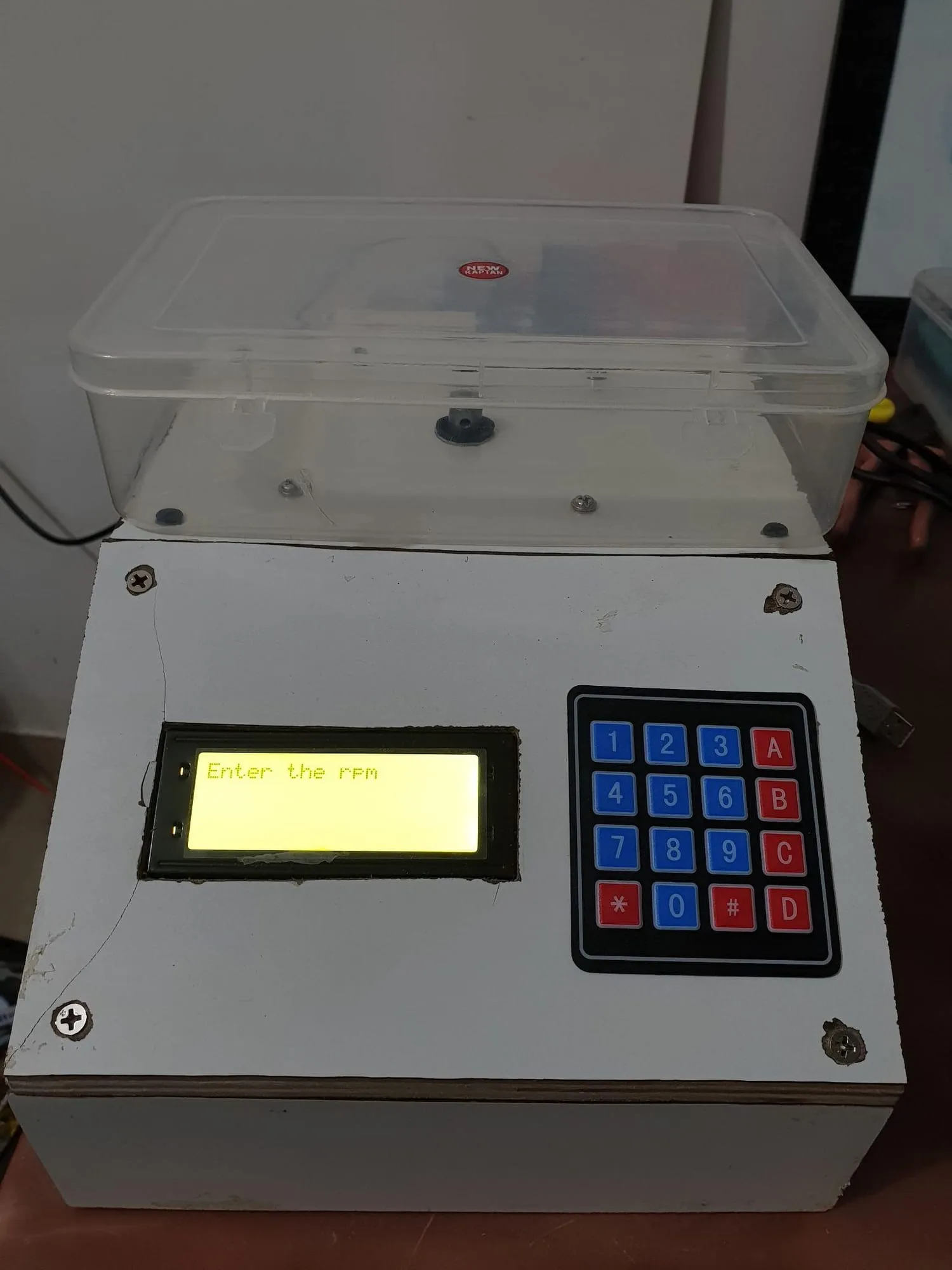
Cost-Effective Spin Coater
A benchtop spin coater with closed-loop speed and acceleration control, built from catalogue parts for about ₹3,000.
Arduino · Embedded C · PID control · Gain scheduling
Instruments, embedded systems, and machine learning — with design decisions, experiments, and code from each project.
Full case studies
Hardware-led builds
Code-led builds
Across both disciplines
From ML to mechanics
Distinct technologies
Drawings and evidence
Measured facts
Documented build span
Linked source archives
GitHub language index
Largest indexed languages
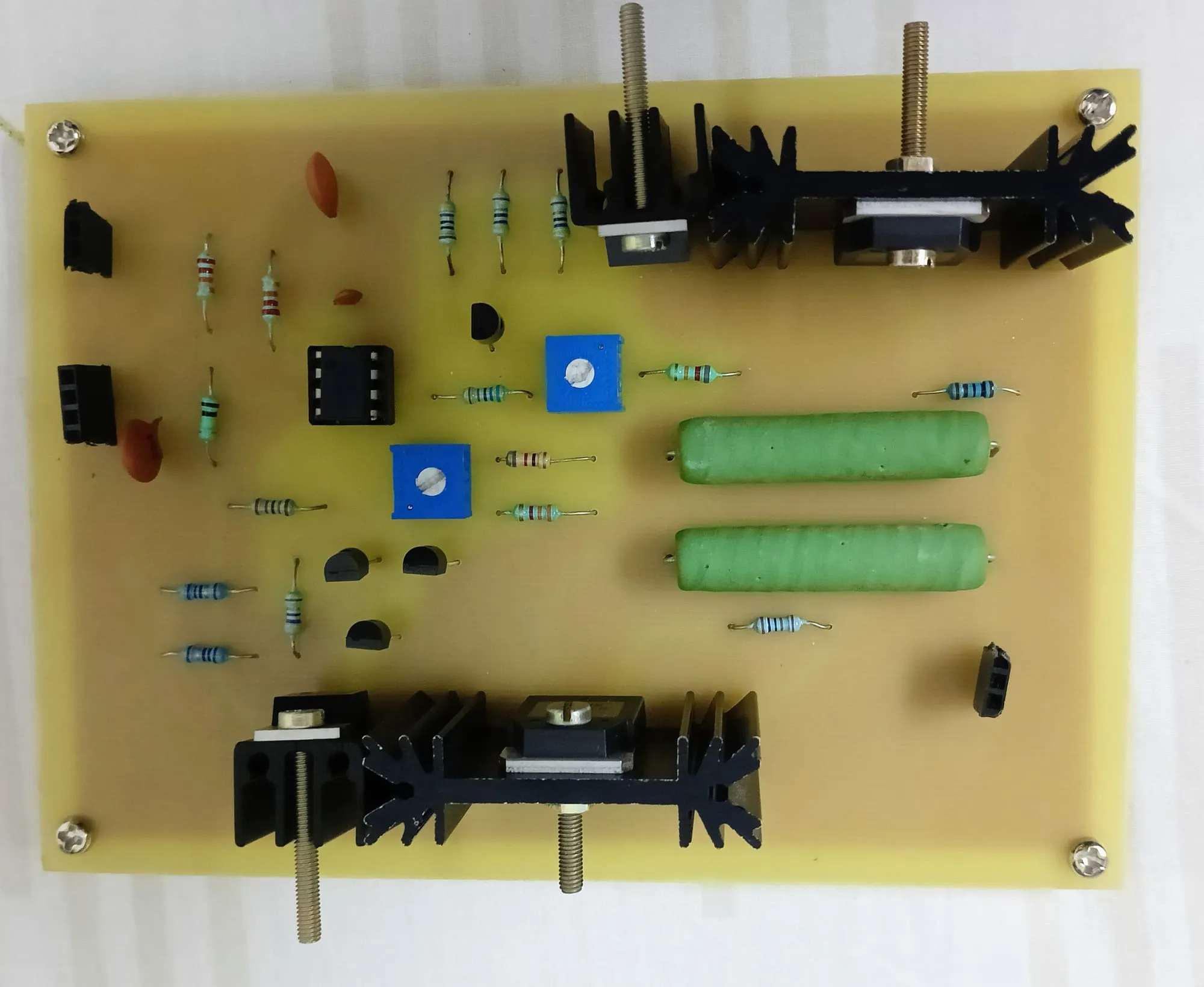
A transformer-less, direct-coupled linear amplifier that drives magnetic cores from 50 Hz to 250 kHz, so their B–H loops can be measured across four decades of frequency.
Analogue design · KiCad · Proteus · MATLAB
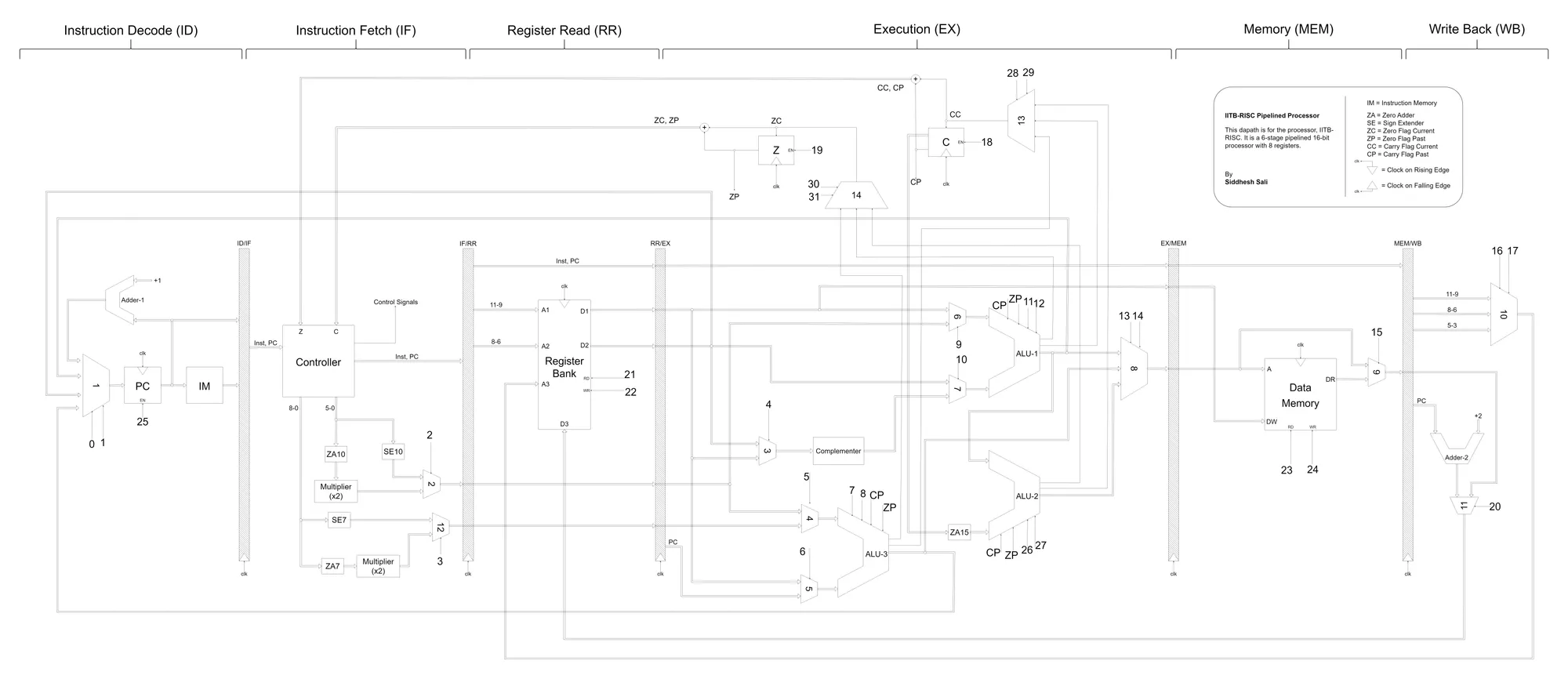
A 16-bit pipelined CPU in VHDL: eight registers, three instruction formats, six stages, and the forwarding and interlock logic needed to keep them fed.
VHDL · Digital design · Computer architecture
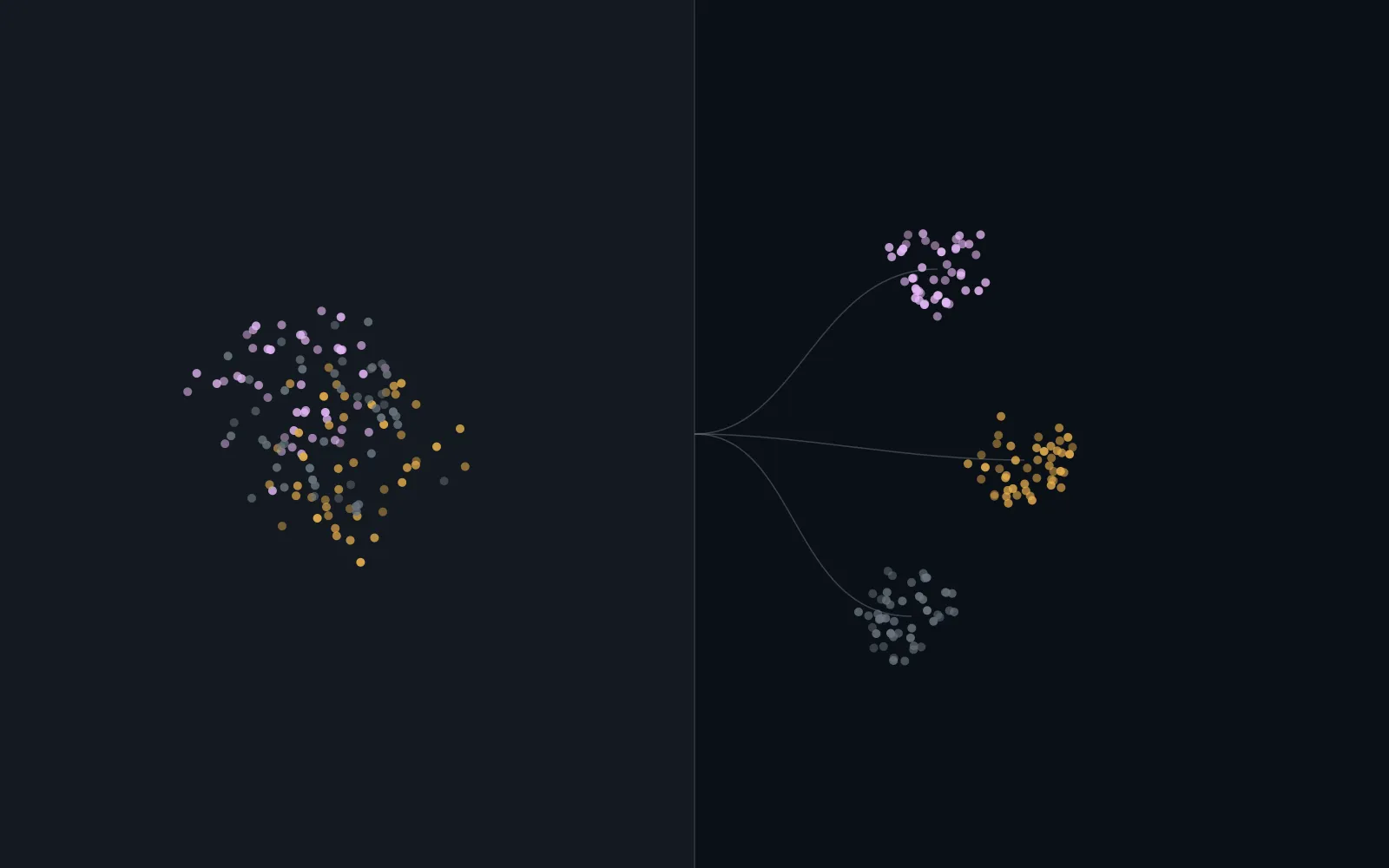
Using pretrained language models as a supervisory signal for vision embeddings — a multi-stage schedule that fine-tunes intermediate layers rather than only the head.
PyTorch · Deep metric learning · Vision-language models · ResNet-50
Turning Maximum Concept Matching from a zero-shot method into a few-shot one with prompt tuning, so a model can tell when an input is nothing it was trained on.
PyTorch · CLIP · Prompt tuning · Maximum Concept Matching
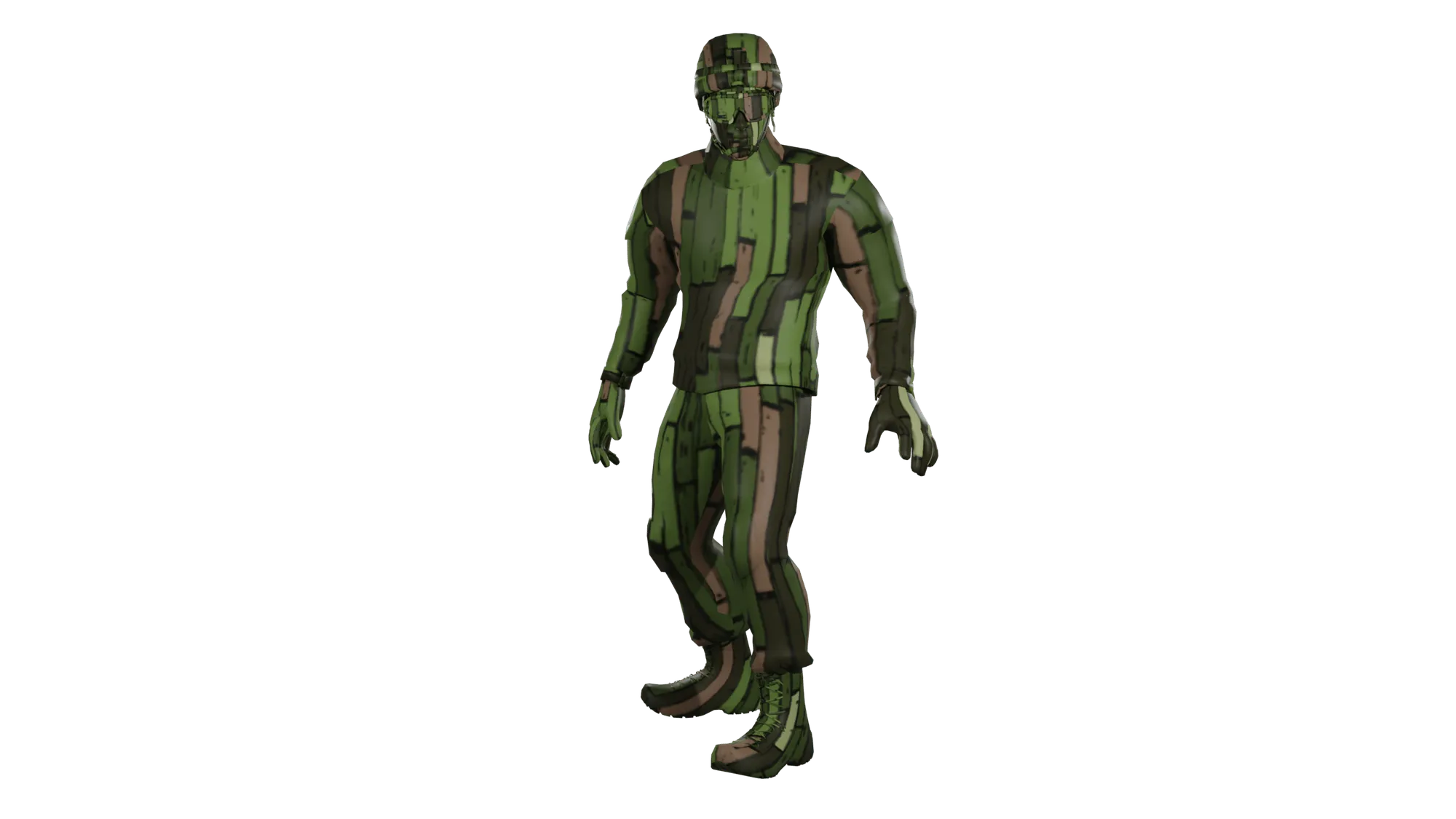
Read the surroundings from a camera, synthesise a pattern that disappears into them — the machine-learning half of a friend’s thesis on a sheet that could change its own skin.
Python · OpenCV · PyTorch · pix2pix
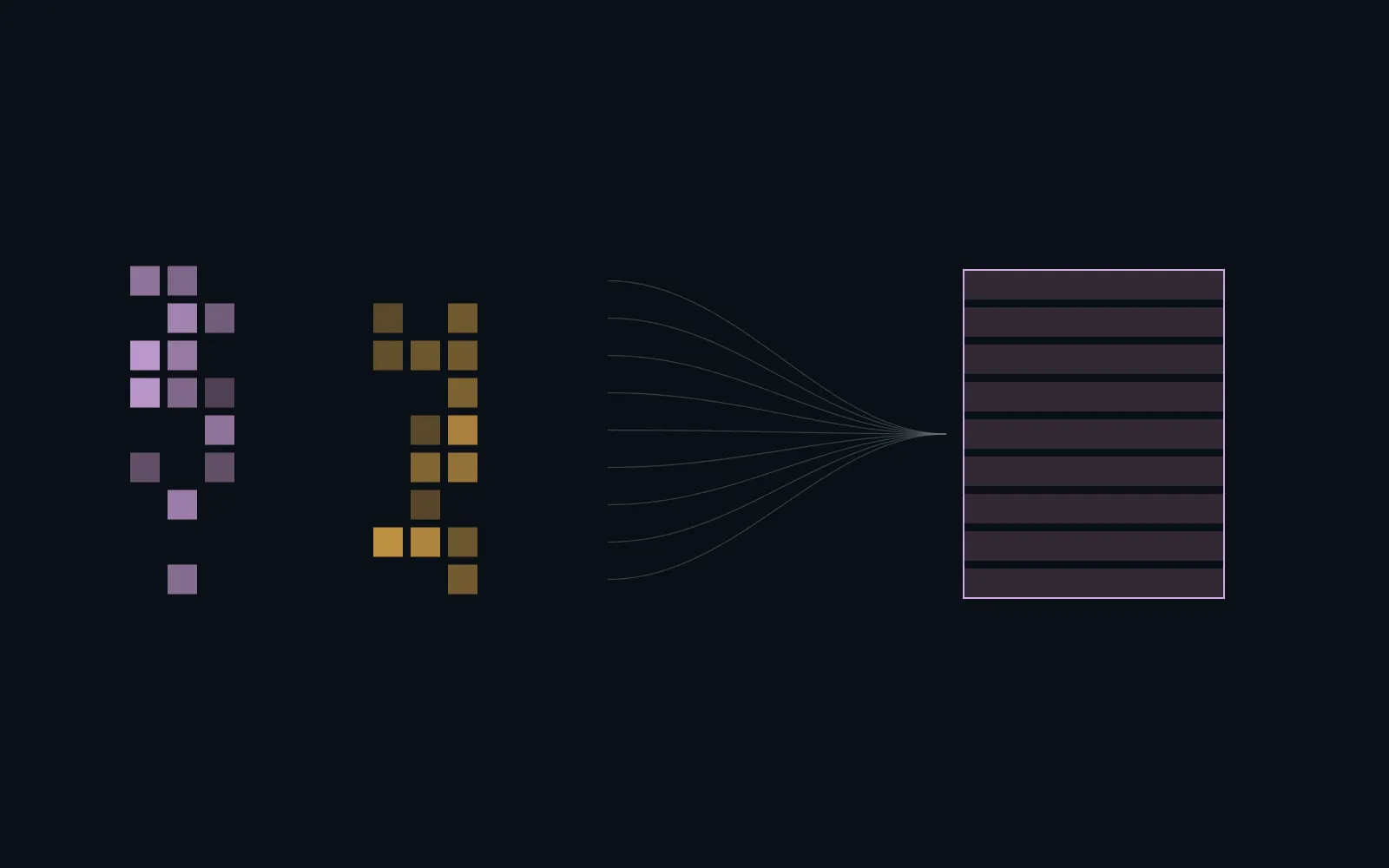
Two deliberately lopsided models — one that never calls a positive wrongly, one that never misses a positive — and a meta-model that reads both.
Python · XGBoost · TensorFlow · Ensemble methods
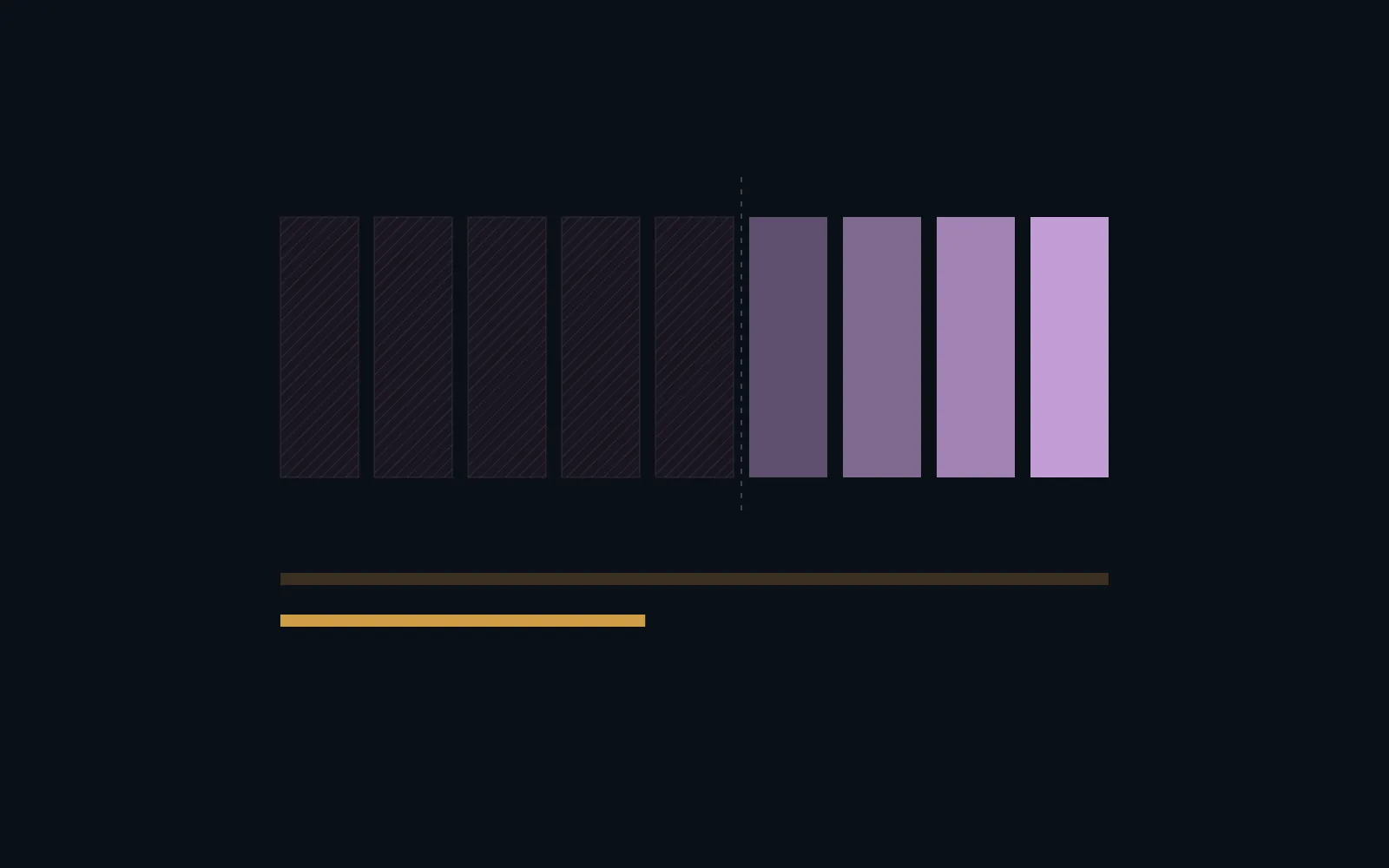
Retraining SSD-MobileNet detectors on small custom datasets, and measuring how much of the feature extractor is worth freezing — the answer was the first four blocks.
TensorFlow · Object Detection API · Keras · MobileNet
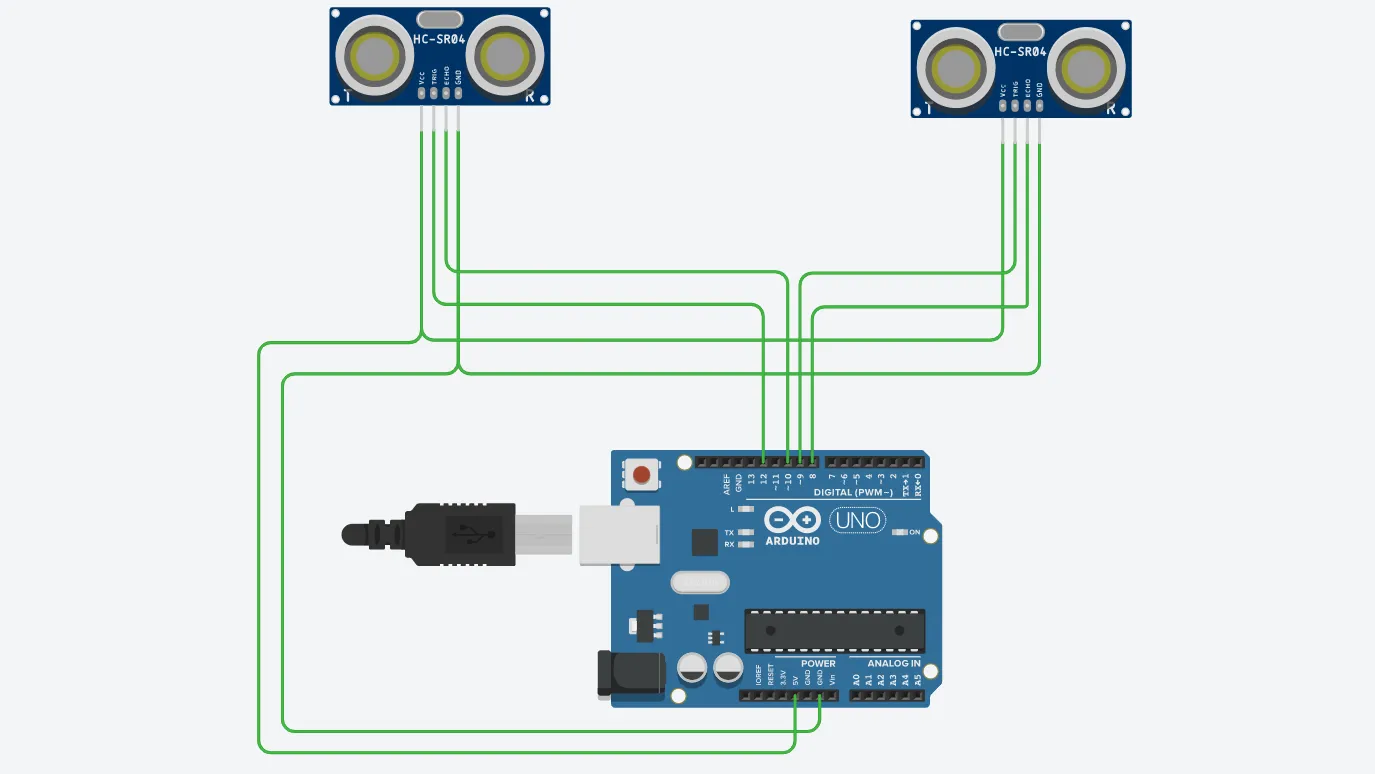
Two ultrasonic sensors in a doorway, an Arduino working out which way you walked, and a NodeMCU putting the room’s occupancy on the internet.
Arduino · NodeMCU · HC-SR04 · Adafruit IO
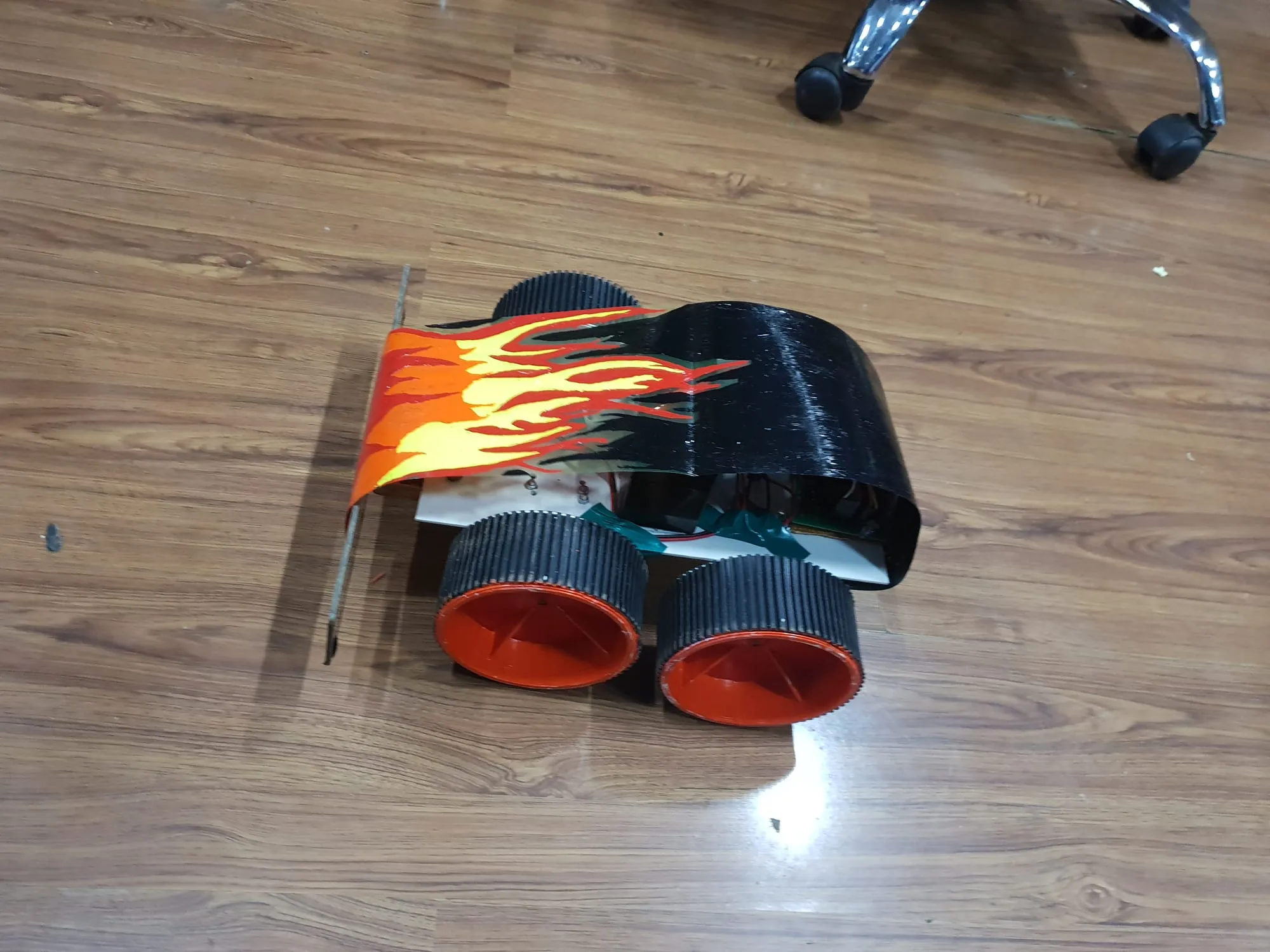
A differential-drive racing bot driven from a phone, on a motor driver board I laid out myself because the ready-made one was the wrong shape.
ATTINY2313A · L293D · Eagle · Bluetooth

A hub motor, a controller and a panel on a bicycle — and two small ideas about when the motor should be allowed to help. Built at thirteen.
Earlier experiments from coursework, student clubs, and personal projects.
Two bots on an Arduino Mega 2560 — one following a line off infrared sensors, one staying upright under PID and then LQR control. The line follower is a tuning problem; the inverted pendulum is a controls problem, and it is the one that taught me the difference.
A fixed pattern on a shorted LED matrix, built entirely from logic — gates, shift registers, counters, multiplexers and a 555 astable for the clock. No microcontroller, which was the point.
Wings, fuselage and control surfaces built light enough to fly and stiff enough to survive it, with an RF link and a speed controller.
A script that polled BookMyShow's undocumented endpoints every twenty minutes for a released seat or a newly opened show, and pushed a phone notification when one appeared. Written because refreshing a page by hand is a job for a computer.
A two-player board with the rules in it — piece classes, legal-move generation, and enough state to know what a piece has already done. Drawing the board is an afternoon; knowing whether a move is legal is the project.
Backtracking, in forty lines. Here because it is the first thing I wrote that solved a problem I could not solve faster by hand.